

Mobile delivery robot for hospital labs
A specimen is waiting on a person somewhere in your hospital right now.
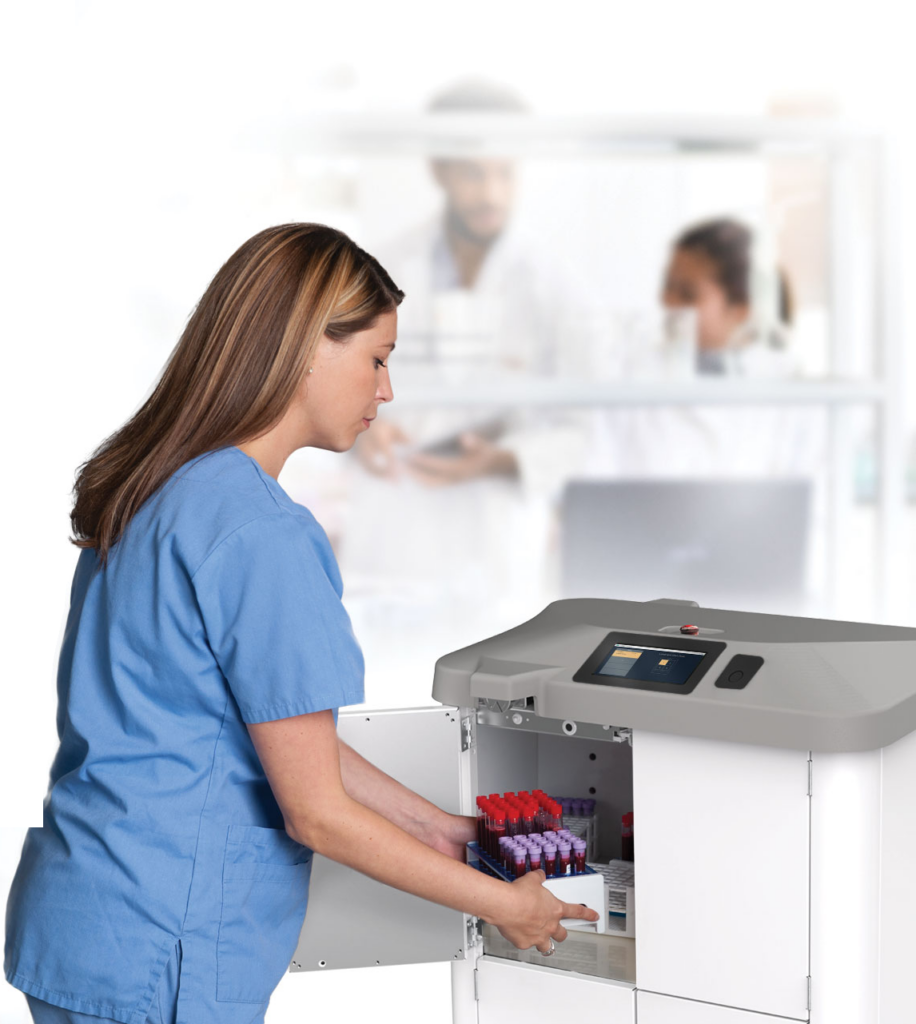
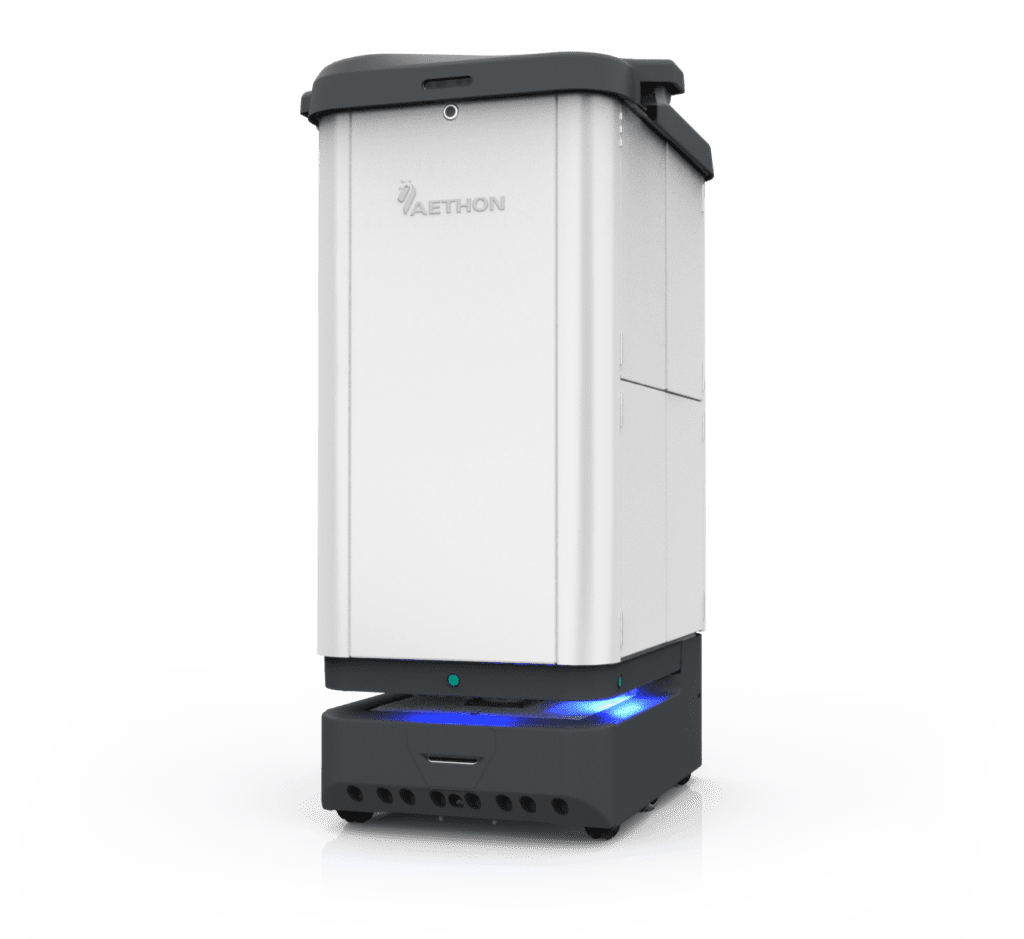
We have solved this problem for hospitals worldwide. ZenaRx is an autonomous delivery robot that moves blood and fluid specimens, anatomic pathology specimens, slides, blood products and lab supplies across your hospital.
It securely delivers day and night, weekends and holidays and without pulling a single person from their most important clinical work or patient support.
MADE IN THE USA
and trusted
20+ YEARS
implmenting robots in healthcare
SAFE & SECURE
for patients, staff and guests
USER FRIENDLY
for clinical teams
Mobile delivery robot for hospital labs
A specimen is waiting on a person somewhere in your hospital right now.
We have solved this problem for hospitals worldwide. ZenaRx is an autonomous delivery robot that moves blood and fluid specimens, anatomic pathology specimens, slides, blood products and lab supplies across your hospital.
It securely delivers day and night, weekends and holidays and without pulling a single person from their most important clinical work or patient support.
MADE IN THE USA
and trusted
20+ YEARS
implmenting robots in healthcare
SAFE & SECURE
for patients, staff and guests
USER FRIENDLY
for clinical teams
WE UNDERSTAND WHAT YOU’RE UP AGAINST
Your laboratory staff should be delivering results, not transporting specimens.
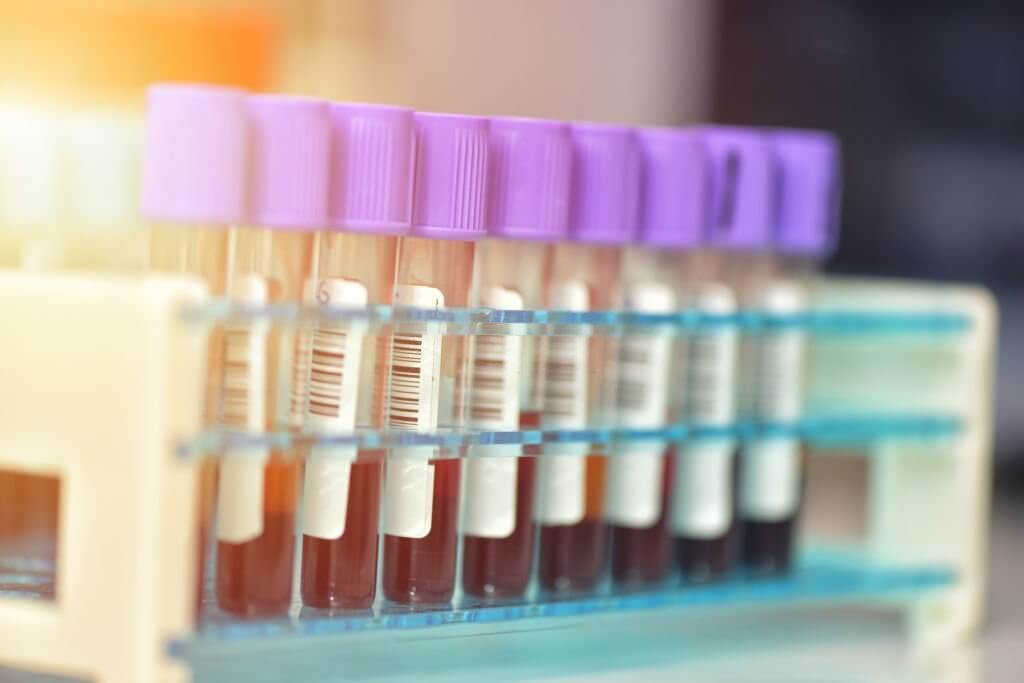
Right now a specimen is sitting in a rack, waiting on a phlebotomist who’s still finishing her floor. Maybe your surgical specimens are waiting on the one courier who covers every OR across two towers. Maybe a patient is waiting on a second draw, because the first one went through the tube and came back hemolyzed.
None of that is lab work. All of it is your turnaround time and becomes your problem.
What is the cost of leaving transport to people?
- Turnaround times that swing by shift instead of holding steady
- STAT orders that must be collected delay routine work
- Recollects and redraws that never should have happened
- Licensed technologists spending hours a week in hallways and elevators
- Nights, weekends, and holidays with no reliable coverage
- Overtime you have to defend in the next budget review
- Good people who leave because the job stopped being laboratory medicine
You cannot hire your way out of this.
There aren't enough techs, and the ones you have didn't train for years only to push a cart.
WE UNDERSTAND WHAT YOU’RE UP AGAINST
Your laboratory staff should be delivering results, not transporting specimens.
Right now a specimen is sitting in a rack, waiting on a phlebotomist who’s still finishing her floor. Maybe your surgical specimens are waiting on the one courier who covers every OR across two towers. Maybe a patient is waiting on a second draw, because the first one went through the tube and came back hemolyzed.
None of that is lab work. All of it is your turnaround time and becomes your problem.
There isn’t enough staff, and the ones you have didn’t train for years only to carry specimens or lab products around.
What is the cost of leaving transport to people?
- Turnaround times that swing by shift instead of holding steady
- STAT orders that must be collected delay routine work
- Recollects and redraws that never should have happened
- Licensed technologists spending hours a week in hallways and elevators
- Nights, weekends, and holidays with no reliable coverage
- Overtime you have to defend in the next budget review
- Good people who leave because the job stopped being laboratory medicine
You cannot hire your way out of this.
LAB LOGISTICS AUTOMATION
What changes when transport runs itself?
1. Predictable operations and turnaround time
Your turnaround time stops depending on who’s available. ZenaRx runs the same route at 3 a.m. that it runs at 3 p.m.. Consistency and predictability improve throughput and performance.
2. Improved connection to nursing and patient care
Your techs spend more time on clinical work or patient support. Every trip the robot takes is time a lab technician can focus more closely on the patient or nursing. Those hours go back into specimen acquisition, preparation, testing, communication, verification, and training.
3. More confidence and less drama
Your specimens are preserved and safe. No pneumatic tube. No G-forces. No jam-ups. No hemolysis from a 400-foot ride at 25 feet per second. Nothing broken. Nothing spilled or leaked. PIN access, optional fingerprint unlock, and a logged record of every pickup and every drop-off. A steel cabinet keeping the samples secure and upright, moving at walking speed.
4. Your best people stay
Staff retention improves when highly trained professionals can focus on the work they were trained to do. By taking routine transport tasks off their plate, ZenaRx helps create a more sustainable workload across every shift.

PREDICTABLE LAB OPERATIONS
Your lab becomes predictable again.
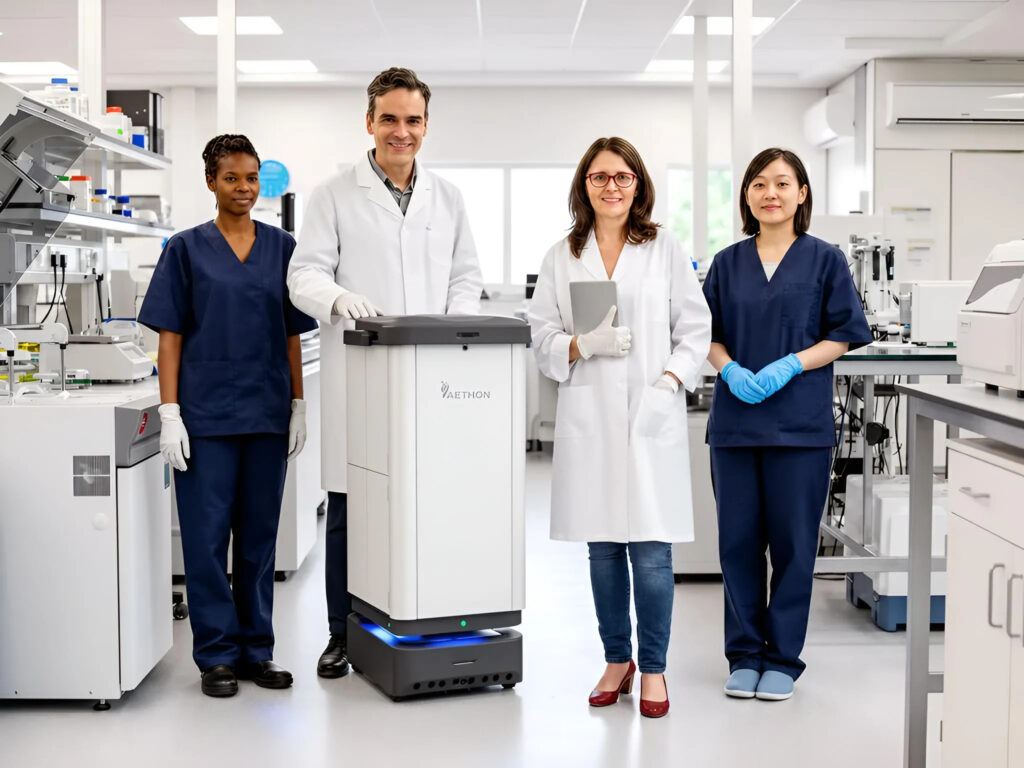
Your staffing challenges recede. No more wondering whether a courier showed up. No more pulling technologists away from testing. No more explaining overtime and delays. Transport simply happens, and your team can focus on laboratory medicine.
LAB LOGISTICS AUTOMATION
What changes when transport runs itself?
1. Predictable operations and turnaround time
Your turnaround time stops depending on who’s available. ZenaRx runs the same route at 3 a.m. that it runs at 3 p.m.. Consistency and predictability improve throughput and performance.
2. Improved connection to nursing and patient care
Your techs spend more time on clinical work or patient support. Every trip the robot takes is time a lab technician can focus more closely on the patient or nursing. Those hours go back into specimen acquisition, preparation, testing, communication, verification, and training.
3. More confidence and less drama
Your specimens are preserved and safe. No pneumatic tube. No G-forces. No jam-ups. No hemolysis from a 400-foot ride at 25 feet per second. Nothing broken. Nothing spilled or leaked. PIN access, optional fingerprint unlock, and a logged record of every pickup and every drop-off. A steel cabinet keeping the samples secure and upright, moving at walking speed.
4. Your best people stay
Staff retention improves when highly trained professionals can focus on the work they were trained to do. By taking routine transport tasks off their plate, ZenaRx helps create a more sustainable workload across every shift.
PREDICTABLE LAB OPERATIONS
Your lab becomes predictable again.
Your staffing challenges recede. No more wondering whether a courier showed up. No more pulling technologists away from testing. No more explaining overtime and delays. Transport simply happens, and your team can focus on laboratory medicine.
We know what a Monday morning in your lab looks like.
We know the job you have to do and we can help you get it done.
We have spent more than two decades inside hospitals, in the service corridors and back elevators, watching what it actually takes to get a specimen from a patient’s arm to an analyzer or a tissue biopsy to the pathology lab.
We’ve watched a STAT draw sit in a rack because the person who was supposed to carry it got pulled into something else. We’ve seen the problems at the pneumatic tube station in the lab. We’ve heard directors describe their department as a courier service that happens to own analyzers and microtomes.
We built ZenaRx because transportation logistics is a terrible use one of the most important functions in the hospital: clinical and pathology lab services.
We know what a Monday morning in your lab looks like.
We have spent more than two decades inside hospitals, in the service corridors and back elevators, watching what it actually takes to get a specimen from a patient’s arm to an analyzer or a tissue biopsy to the pathology lab.
We’ve watched a STAT draw sit in a rack because the person who was supposed to carry it got pulled into something else. We’ve seen the problems at the pneumatic tube station in the lab. We’ve heard directors describe their department as a courier service that happens to own analyzers and microtomes.
We built ZenaRx because transportation logistics is a terrible use of one of the most important functions in the hospital: clinical and pathology lab services.
THE PLAN
Robots working for your lab is simpler than you think.
We've done this before and will just get to work when you're ready.
No open-ended pilot that consumes a year without producing a decision. We use proven workflows, simulation, and implementation experience to move efficiently from evaluation to operation.
1. Book a Call
We will start with you.
Tell us about your staffing, clinical workflow requirements, pain points and overall logistics with nursing teams.
We will put together a presentation, proposal and quote to help you plan for mobile robots each step along the way.
2. We design workflow
We develop a detailed plan and workflow design that includes collection and delivery points, routes, elevator use, security requirements and support of 24-hour operations.
All of this is supported by simulation to ensure you have the right configuration and robot resources to meet your turnaround time metrics.
3. We implement
We deliver both the mobile robots and the staff to make it all happen. Nobody in your organization needs to be a robot expert. Our team of project managers and installers works with you and across the rest of the organization so that your investment is successful.
4. Robots make deliveries
ZenaRx works day and night, weekends and holidays. Our Command Center and Robot Operations Center handles the robot so your staff doesn’t need to be experts.

IT’S YOUR MOVE
Let's talk about your lab specifically.
Tell us about your workflow routines, volumes, shifts and where transport breaks down. We’ll show you exactly what ZenaRx would do in your building and what it would give back to your team.
THE PLAN
Robots working for your lab is simpler than you think.
We've done this before and will just get to work when you're ready.
No open-ended pilot that consumes a year without producing a decision. We use proven workflows, simulation, and implementation experience to move efficiently from evaluation to operation.
1. Book a Call
We will start with you.
Tell us about your staffing, clinical workflow requirements, pain points and overall logistics with nursing teams.
We will put together a presentation, proposal and quote to help you plan for mobile robots each step along the way.
2. We design the workflow
We develop a detailed plan and workflow design that includes delivery points, routes, elevator use, specimen collection routines, security requirements and support of 24-hour operations.
All of this is supported by simulation to ensure you have the right configuration and robot resources to meet your turnaround time metrics.
3. We implement
We deliver both the mobile robots and the staff to make it all happen. Nobody in your organization needs to be a robot expert. Our team of project managers and installers works with you and across the rest of the organization so that your investment is successful.
4. The robot makes the deliveries
ZenaRx works day and night, weekends and holidays. Our Command Center and Robot Operations Center handles the robot so your staff doesn’t need to be experts.
IT’S YOUR MOVE
Let's talk about your lab specifically.
Tell us about your workflow routines, volumes, shifts and where transport breaks down. We’ll show you exactly what ZenaRx would do in your building and what it would give back to your team.
CLINICAL AND PATHOLOGY LAB LOGISTICS AUTOMATED
More on how ZenaRx works in a laboratory.
Most hospital laboratories move specimens one of three ways: a pneumatic tube system, a courier, or a technologist who happens to be free. Each one has a failure mode. Tube systems can’t carry every sample type, can damage the ones they do carry, and can become jammed. Couriers cost money and call off. And when a technologist carries a specimen, you’re paying a licensed professional to walk.
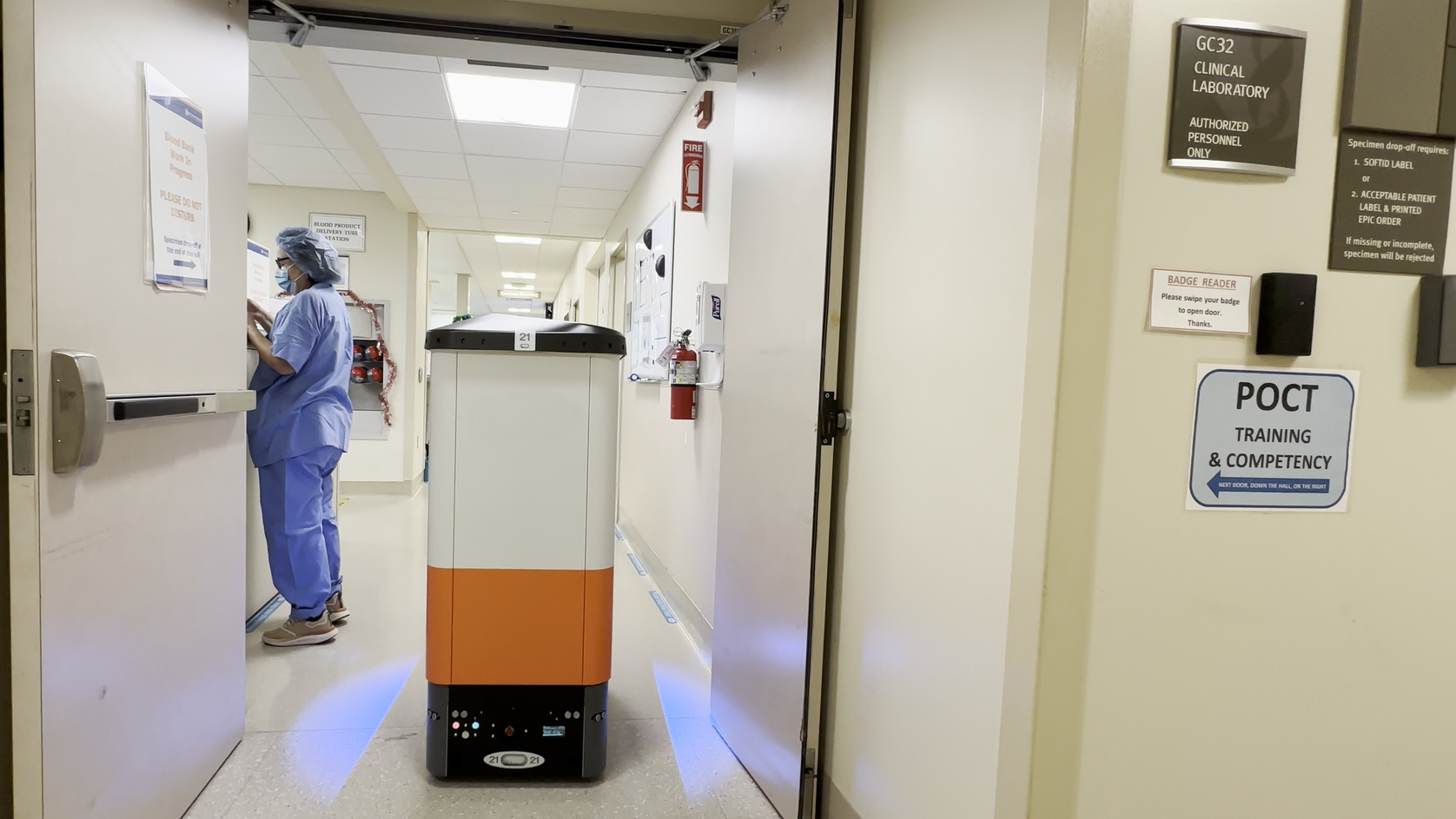
ZenaRx is an autonomous mobile robot built specifically for clinical laboratory logistics. An array of sensors allows it to navigate crowded corridors, nursing units, and restricted zones safely around patients, staff, and carts. It maps your building without floor markers or wire guides, and it integrates directly with your elevator and access control systems, so it moves between floors and through secured doors (and directly into your lab) without anyone holding a badge to a reader.
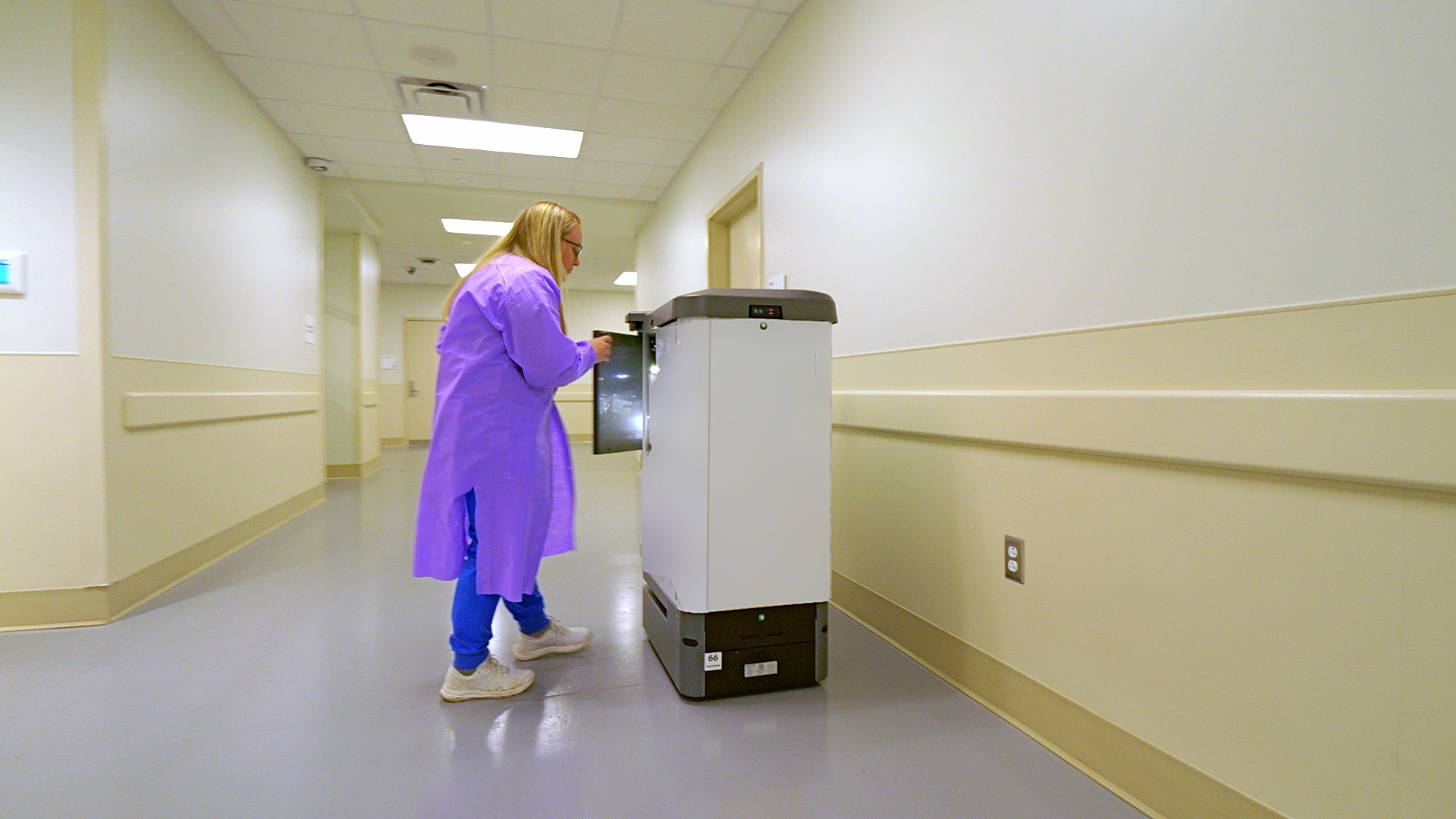
The cabinet holds up to 16 baskets across four compartments and reconfigures from the touchscreen — specimen racks, coolers for blood bank products, and supply totes in the same run. A single trip can make up to four secure stops across the ED, the OR, nursing units, and the lab, with PIN or fingerprint access at each one and a full audit trail behind it. A lithium battery delivers up to ten hours of continuous runtime and charges intermittently between routes, which means ZenaRx can cover a full night shift and a weekend without a person thinking about it once.
A biopsy, excision or other tissue specimen is something you cannot replace. You can redraw blood but it’s a bad day when you have to re-collect tissue from a patient. And most of these specimens can’t go through a tube system anyway: fixative containers leak, larger vessels don’t fit the carrier, and no one wants a formalin spill inside the transport line. So surgical specimens get hand-carried, which means an OR nurse or a pathology assistant leaves their post, or the container sits in a utility room waiting for someone with two free feet.
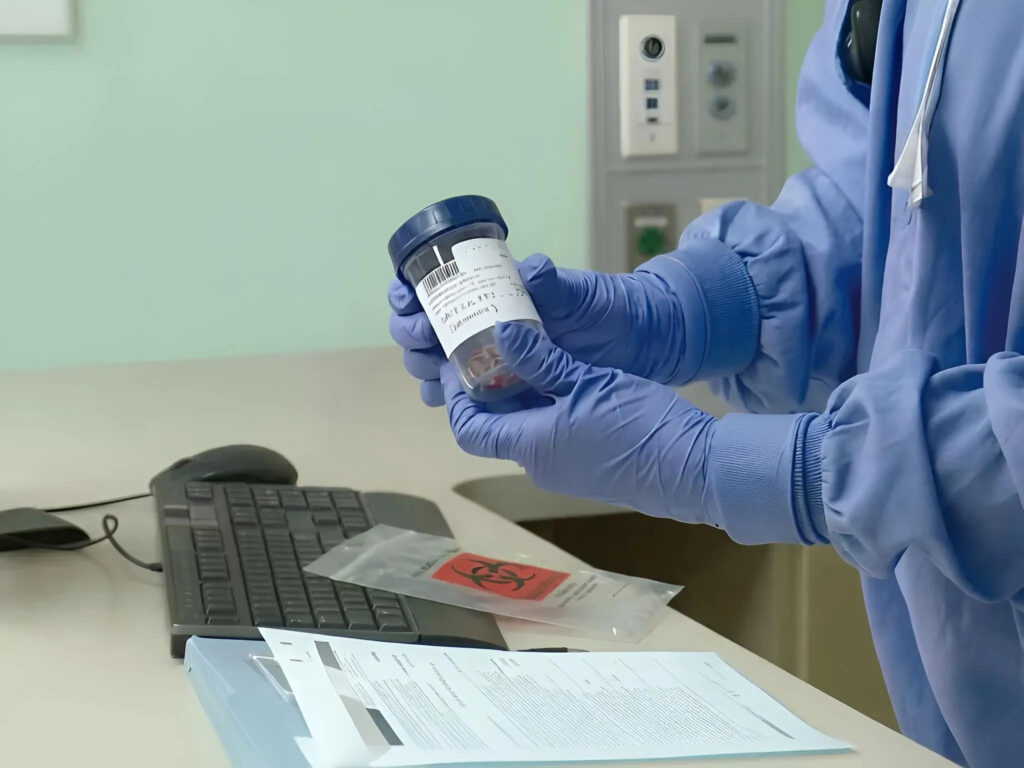
ZenaRx was built for exactly that trip. Sealed containers ride upright in a steel cabinet at walking speed, without the pressure changes, acceleration, or impact of a pneumatic system. Compartments lock independently, so a formalin-fixed surgical container can travel in the same run as a blood bank cooler without ever sharing a space. Every pickup and drop-off is authenticated by PIN and an optional fingerprint and logged with a timestamp.
The result is a laboratory where transport is a scheduled, logged, predictable process instead of an interruption and where your medical technologists and pathology staff spend their shift doing the work they were trained to do.

AUTONOMOUS NAVIGATION
We have the whole facility covered.
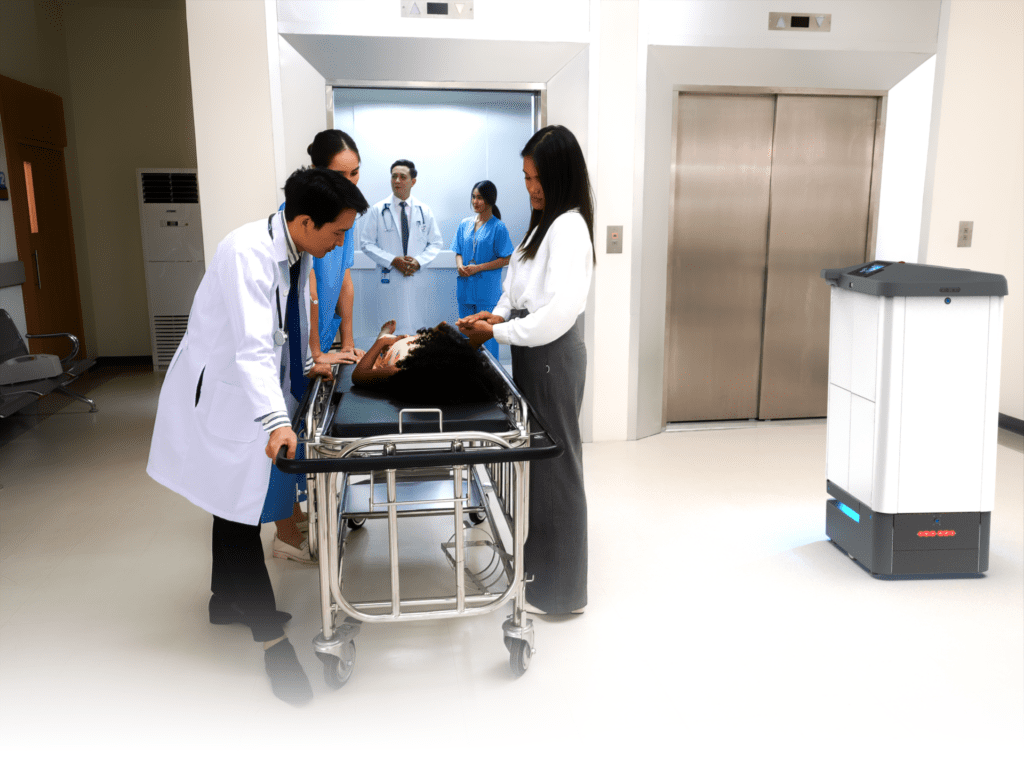
3D sensors and side-mounted LIDAR let ZenaRx move through crowded corridors, nursing units and restricted zones without staff intervention.
It calls its own elevator and opens its own doors
Boundaryless mapping across floors and levels
Full elevator integration across all brands
Auto opening door system integration
Safe around patients and staff
CLINICAL AND PATHOLOGY LAB LOGISTICS AUTOMATED
More on how ZenaRx works in a laboratory.
Most hospital laboratories move specimens one of three ways: a pneumatic tube system, a courier, or a technologist who happens to be free. Each one has a failure mode. Tube systems can’t carry every sample type, can damage the ones they do carry, and can become jammed. Couriers cost money and call off. And when a technologist carries a specimen, you’re paying a licensed professional to walk.
ZenaRx is an autonomous mobile robot built specifically for clinical laboratory logistics. An array of sensors allows it to navigate crowded corridors, nursing units, and restricted zones safely around patients, staff, and carts. It maps your building without floor markers or wire guides, and it integrates directly with your elevator and access control systems, so it moves between floors and through secured doors (and directly into your lab) without anyone holding a badge to a reader.
The cabinet holds up to 16 baskets across four compartments and reconfigures from the touchscreen — specimen racks, coolers for blood bank products, and supply totes in the same run. A single trip can make up to four secure stops across the ED, the OR, nursing units, and the lab, with PIN or fingerprint access at each one and a full audit trail behind it. A lithium battery delivers up to ten hours of continuous runtime and charges intermittently between routes, which means ZenaRx can cover a full night shift and a weekend without a person thinking about it once.
A biopsy, excision or other tissue are specimens you cannot replace. You can redraw blood but it’s a bad day when you have to re-collect tissue from a patient. And most of these specimens can’t go through a tube system anyway: fixative containers leak, larger vessels don’t fit the carrier, and no one wants a formalin spill inside the transport line. So surgical specimens get hand-carried, which means an OR nurse or a pathology assistant leaves their post, or the container sits in a utility room waiting for someone with two free feet.
ZenaRx was built for exactly that trip. Sealed containers ride upright in a steel cabinet at walking speed, without the pressure changes, acceleration, or impact of a pneumatic system. Compartments lock independently, so a formalin-fixed surgical container can travel in the same run as a blood bank cooler without ever sharing a space. Every pickup and drop-off is authenticated by PIN and an optional fingerprint and logged with a timestamp.
The result is a laboratory where transport is a scheduled, logged, predictable process instead of an interruption and where your medical technologists and pathology staff spend their shift doing the work they were trained to do.
AUTONOMOUS NAVIGATION
We have the whole facility covered.
It calls its own elevator and opens its own doors
3D sensors and side-mounted LIDAR let ZenaRx move through crowded corridors, nursing units and restricted zones without staff intervention.
Boundaryless mapping across floors and levels
Full elevator integration across all brands
Auto opening door system integration
Safe around patients and staff
Hospital labs you know run on Aethon.
Labs at these hospitals are not struggling to support logistics with their clinical staff.
This is the difference between a lab that uses its people to advance laboratory medicine or one that finds themselves constantly understaffed.

Three robots installed at UCSF Parnassus perform 55,000 deliveries laboratory and travel 3,500 miles per year.

A single laboratory robot at Advent Health Orlando makes over 40,000 deliveries per year.

Two robots at the Lahey Clinic make 28,000 deliveries and travel nearly 700 miles.

Two robots move laboratory specimens and lab related goods making 25,000 deliveries and traveling 2,200 miles.
BOOK A CALL
Let's talk about your laboratory logistics.
Imagine if specimen delivery was automated and what it would mean to your staff.
Book a 30-minute exploratory call with one of our laboratory consultants. We can answer questions about what mobile robotics means for your operation and suggest the best next steps.
"*" indicates required fields
BOOK A CALL
Let's talk about your laboratory logistics.
Imagine if specimen delivery was automated and what it would mean to your staff.
Book a 30-minute exploratory call with one of our laboratory consultants. We can answer questions about what mobile robotics means for your operation and suggest the best next steps.
"*" indicates required fields